UVA Health · New patients

Lumbar spine

ALIF — anterior lumbar interbody fusion

Restore disc height and lordosis from the front of the spine

StabilizationMinimally invasive option
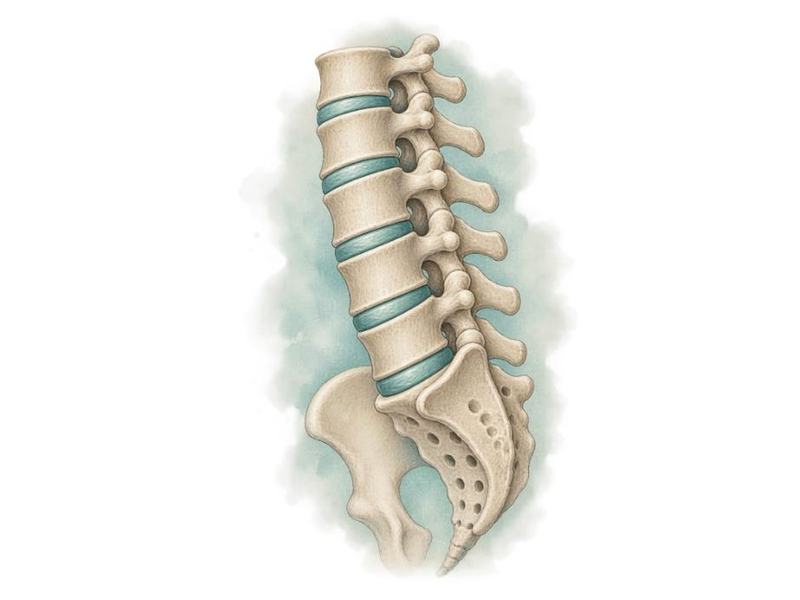
Lumbar spine anatomy related to ALIF — anterior lumbar interbody fusion

The front of the lumbar disc is the most efficient place to restore height and the lumbar curve. A large graft can sit on strong bone, indirect decompression opens the foramina, and lordosis can be dialed in — which is why ALIF is often the foundation of a deformity reconstruction from T10 to the pelvis.

Dr. Li’s research compares ALIF and TLIF on the lordosis distribution index and proximal failure rates. The question is not “can we fuse,” but “will this fusion stand up for a decade.”

What to expect

  • A short anterior incision; a vascular access surgeon is typically part of the team.
  • Hospital stay is usually one or two days. Walking starts quickly.

Recovery

  • The abdominal wall needs time. Heavy lifting is delayed more than after a purely posterior operation.
  • When ALIF is combined with posterior screws, the posterior portion may be staged or done in the same anesthetic.
From the surgery library

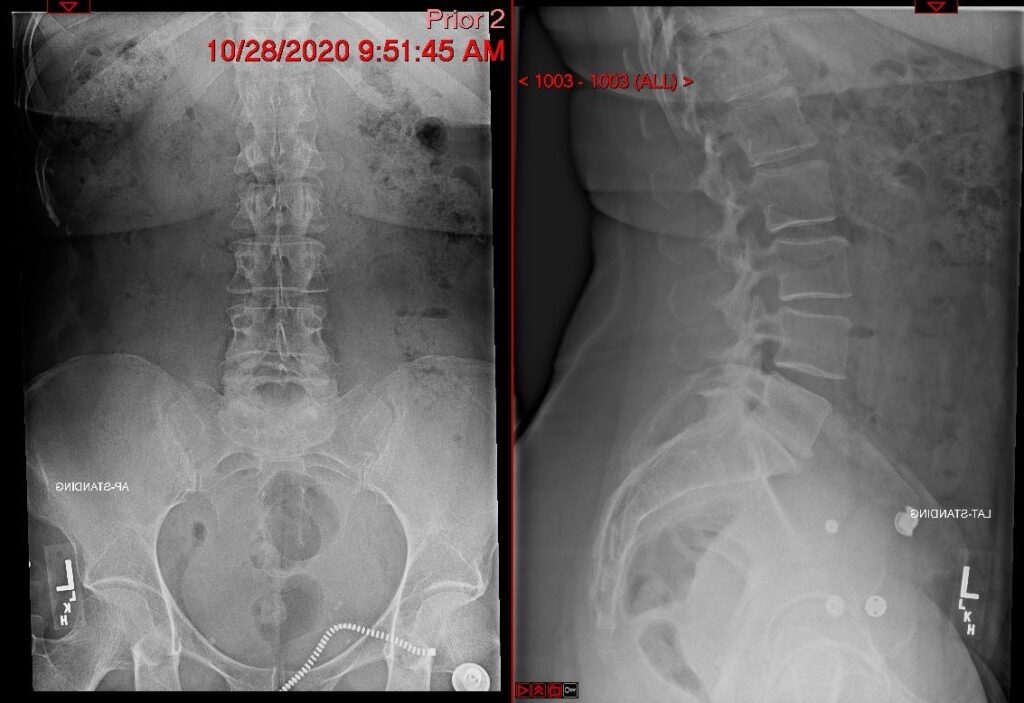
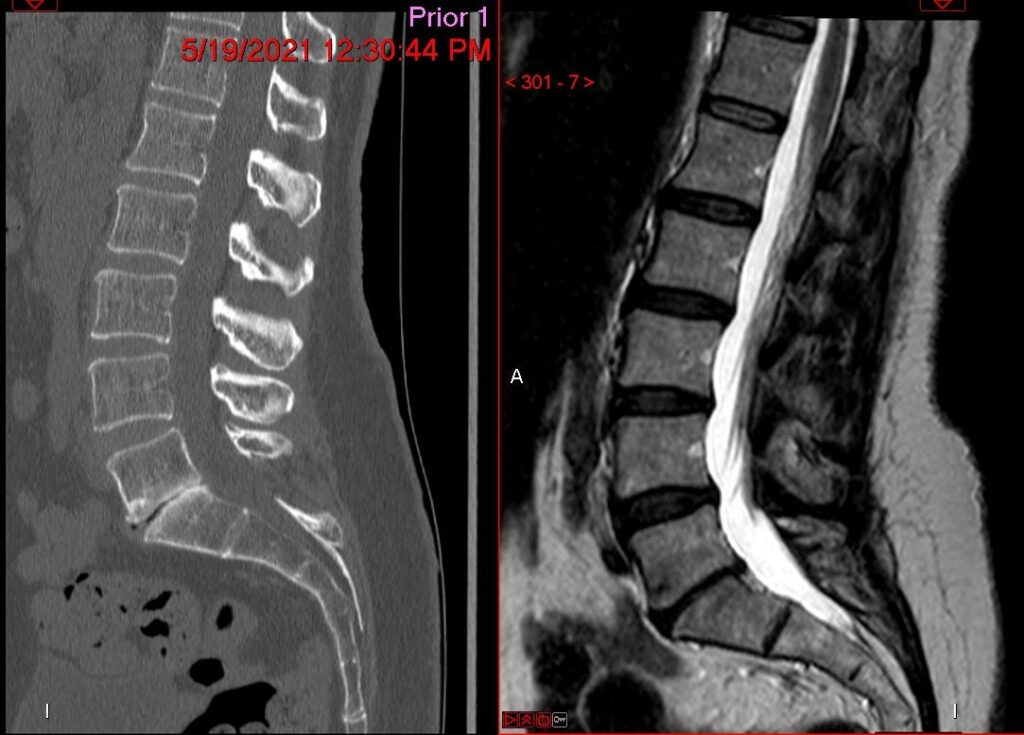
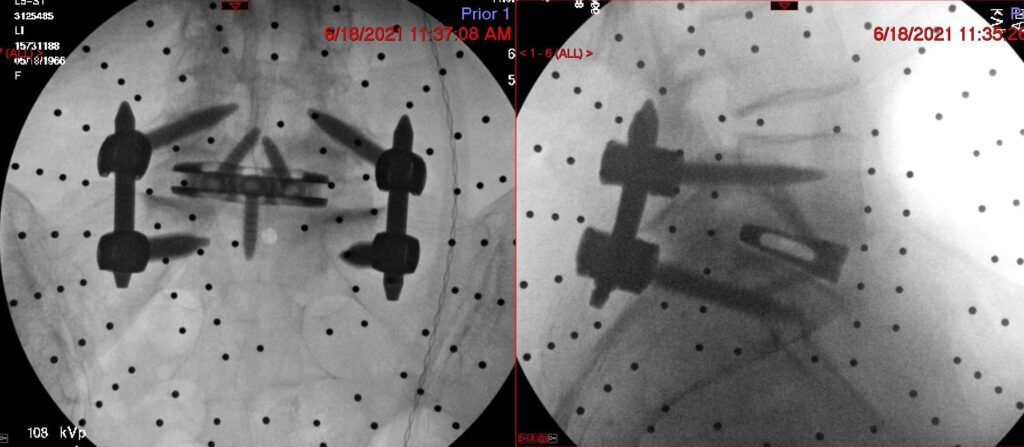
Educational X-Ray Images

Teaching films of alif. They are not a diagnosis.

View all 6 educational x-ray images

This page is educational. It is not a recommendation for surgery. Whether a procedure is appropriate is decided after examination, imaging, and a conversation about goals and risk.

FAQ

Questions about alif

What is alif — anterior lumbar interbody fusion?

Through a small abdominal approach, the disc is removed from the front, a large cage restores height and lordosis, and the segment is prepared for fusion.

Who is alif for?

ALIF — anterior lumbar interbody fusion is often considered for: L5–S1 and L4–5 degeneration or spondylolisthesis; Flatback and the need to restore lumbar lordosis; The lower end of an adult deformity construct.

Does alif — anterior lumbar interbody fusion preserve motion?

ALIF — anterior lumbar interbody fusion is a stabilizing operation. Dr. Li recommends it when motion preservation is not the honest solution — for example when the joints are too arthritic or alignment must be changed.

What is recovery like after alif?

The abdominal wall needs time. Heavy lifting is delayed more than after a purely posterior operation. When ALIF is combined with posterior screws, the posterior portion may be staged or done in the same anesthetic.
Appointments

Ready to take the next step toward recovery?

New patients are welcome. Call the spine clinic or send a note — the team will help you find the right visit.