UVA Health · New patients

Deformity

Complex scoliosis reconstruction

Restore standing balance in adult and selected pediatric deformity

Stabilization
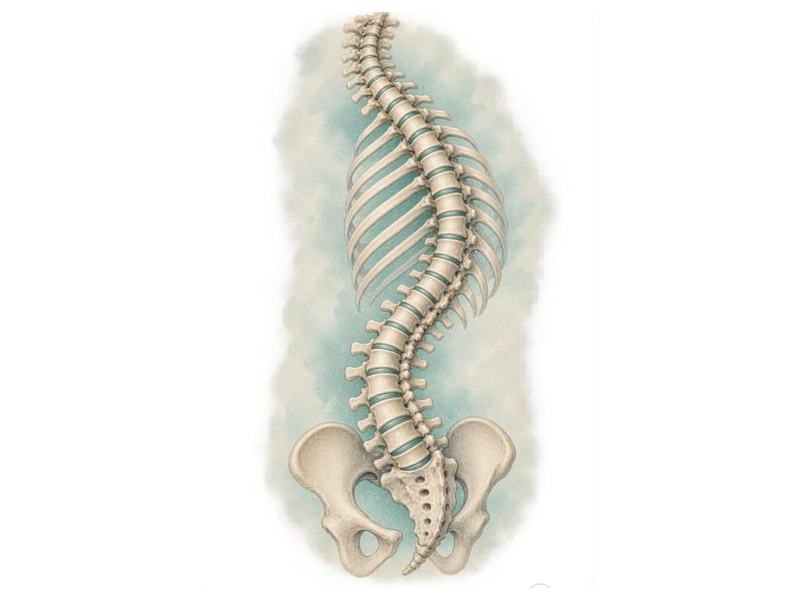
Deformity anatomy related to Complex scoliosis reconstruction

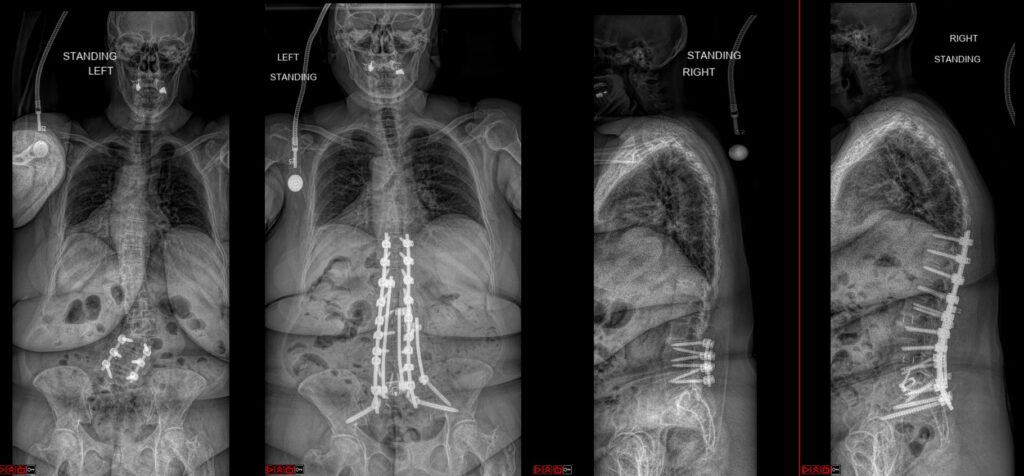
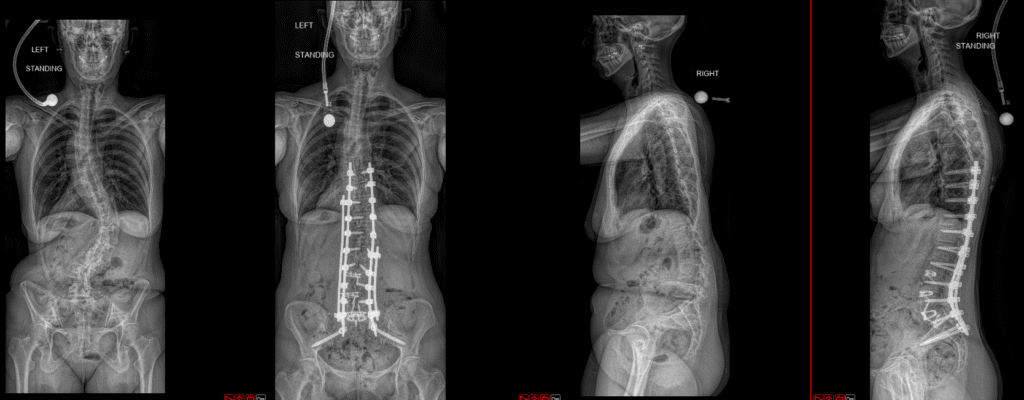
Dr. Li’s deformity training was with Lawrence Lenke at Columbia Spine Hospital. Adult reconstruction may run from the thoracic spine to the pelvis (T2–pelvis is a common pattern in his case work), often with ALIF at the lumbosacral junction to lock in lordosis before the posterior rods are placed.

He has published a surgeon-specific risk stratification model for early complications after complex adult spinal deformity surgery — because these operations have real risk, and the consent should be as honest as the x-ray is ambitious.

Robotic assistance is used for screw placement when it improves accuracy. It does not decide the levels. The levels are decided by alignment, stenosis, and the life the patient wants to return to.

What to expect

  • These are larger operations, sometimes staged. ICU or step-down care is common for a night or two.
  • Walking starts as soon as it is safe. The first victory is standing upright without leaning on the thighs.

Recovery

  • Recovery is measured in months, not days. The fusion must mature.
  • Therapy rebuilds endurance, hip extension, and confidence in standing.
From the surgery library

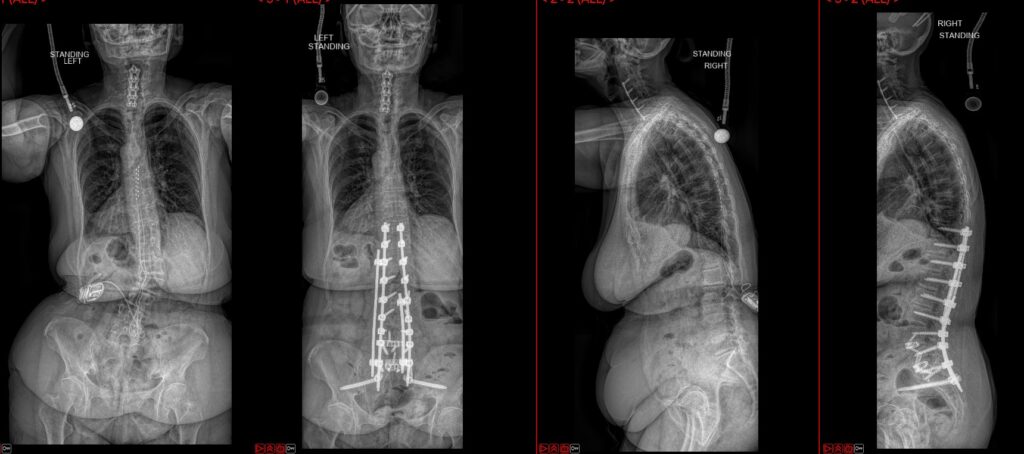
Educational X-Ray Images

Teaching films of scoliosis reconstruction. They are not a diagnosis.

View all 7 educational x-ray images

More deformity procedures

This page is educational. It is not a recommendation for surgery. Whether a procedure is appropriate is decided after examination, imaging, and a conversation about goals and risk.

FAQ

Questions about scoliosis reconstruction

Will I need fusion later?

Adult scoliosis reconstruction uses fusion on purpose — on the levels that must change shape so you can stand and look ahead. Further surgery is sometimes needed if an adjacent segment fails, a rod or screw loosens, or alignment drifts. The first construct is planned so those risks are as low as an honest x-ray allows, not so a second operation is scheduled in advance.

How long am I off work after scoliosis reconstruction?

Recovery is measured in months, not days. Desk work may resume in stages after the early hospital recovery; physical jobs wait until the fusion is maturing and endurance has returned. These operations are sometimes staged. The clinic will not quote a single number that fits every T10–pelvis reconstruction.

When can I drive after scoliosis reconstruction?

After a large deformity operation, driving waits until you can sit upright, rotate enough to check traffic, and are off narcotics — often several weeks, not days. The first victories are standing without leaning on the thighs and walking the hallway, not getting back in the car.

Can some levels keep moving?

Yes. The levels that must change shape are fused. Levels that can still share motion are not fused for company. That is the same motion-preserving rule applied to a different problem.

Is every scoliosis reconstruction a fusion to the pelvis?

No. T10–pelvis is a common pattern in Dr. Li’s adult deformity work when that is what standing balance requires. Shorter constructs are used when the curve, stenosis, and life the patient wants to return to do not demand the longer one. Robotic screw placement, when used, does not decide the levels.

Appointments

Ready to take the next step toward recovery?

New patients are welcome. Call the spine clinic or send a note — the team will help you find the right visit.