UVA Health · New patients

Deformity

Kyphosis correction & osteotomy

Create the missing lordosis when the spine has frozen into a stoop

Stabilization
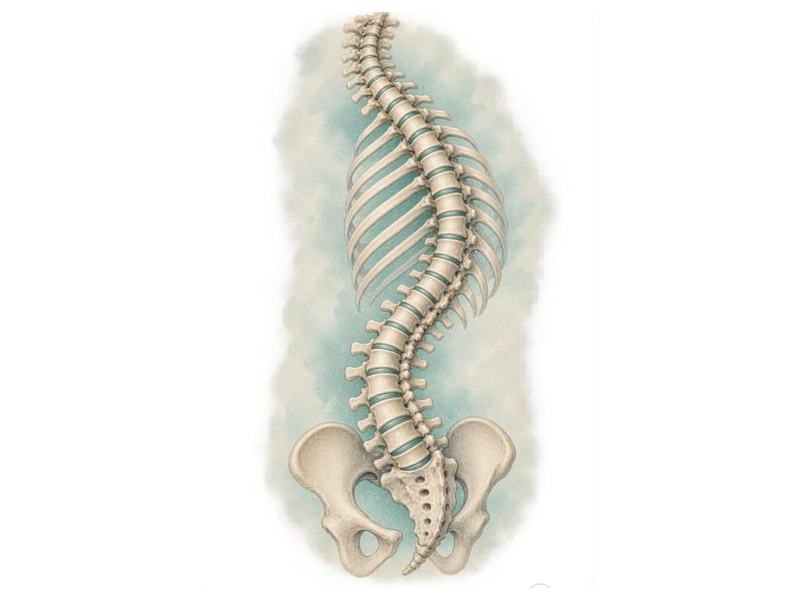
Deformity anatomy related to Kyphosis correction & osteotomy

A flexible curve can be corrected with positioning and a fusion. A rigid curve cannot. PSO removes a wedge of bone including the pedicles so the spine can be closed into lordosis. It is powerful and it is reserved for patients whose life is limited by the shape of the spine.

Dr. Li’s case work includes L4 PSO and long constructs such as T4–pelvis when that is what standing balance requires. These are among the most demanding reconstructions in orthopaedic spine surgery.

What to expect

  • A long anesthetic, neuromonitoring, and a hospital stay measured in several days.
  • Blood management and an enhanced-recovery pathway are part of the plan, not an afterthought.

Recovery

  • The first weeks are about standing, breathing, and wound healing.
  • The first months are about living in a new, more upright posture — which itself takes practice.
From the surgery library

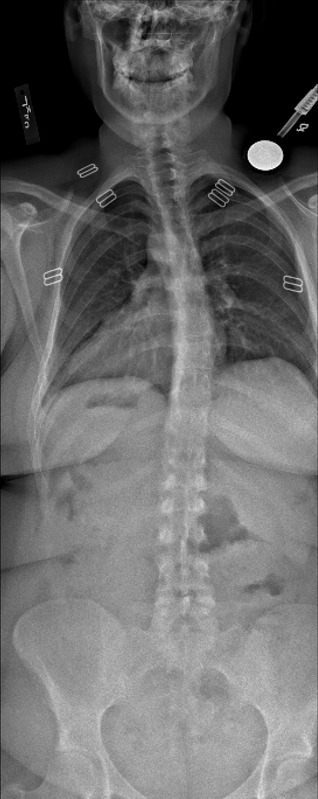
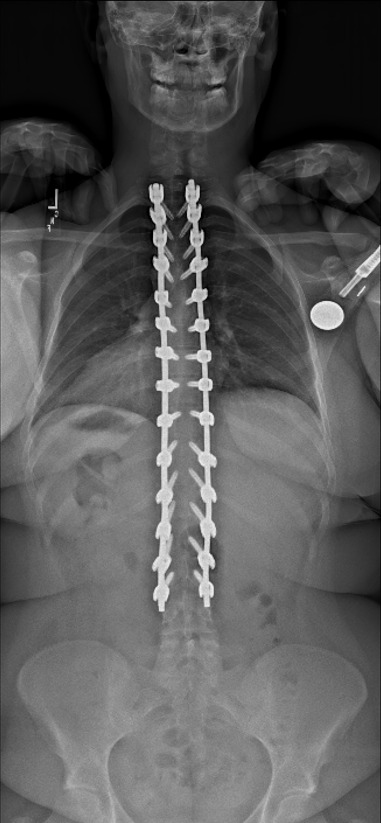
Educational X-Ray Images

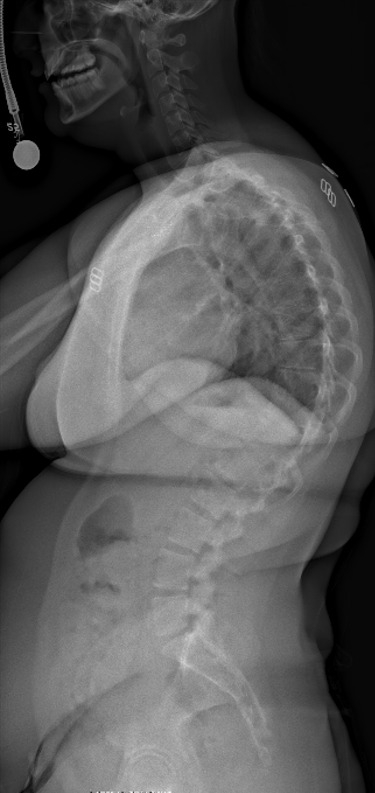
Teaching films of kyphosis correction. They are not a diagnosis.

View all 4 educational x-ray images

More deformity procedures

This page is educational. It is not a recommendation for surgery. Whether a procedure is appropriate is decided after examination, imaging, and a conversation about goals and risk.

FAQ

Questions about kyphosis correction

What is kyphosis correction & osteotomy?

A carefully planned osteotomy — including pedicle subtraction osteotomy (PSO) when the curve is rigid — unfolds a stooped spine so the gaze can return to the horizon.

Who is kyphosis correction for?

Kyphosis correction & osteotomy is often considered for: Rigid kyphosis after fracture, ankylosing spondylitis, or prior fusion; Flatback that cannot be corrected with cages alone; Chin-on-chest or severe stooped posture.

Does kyphosis correction & osteotomy preserve motion?

Kyphosis correction & osteotomy is a stabilizing operation. Dr. Li recommends it when motion preservation is not the honest solution — for example when the joints are too arthritic or alignment must be changed.

What is recovery like after kyphosis correction?

The first weeks are about standing, breathing, and wound healing. The first months are about living in a new, more upright posture — which itself takes practice.
Appointments

Ready to take the next step toward recovery?

New patients are welcome. Call the spine clinic or send a note — the team will help you find the right visit.