UVA Health · New patients

Lumbar spine

TLIF — transforaminal lumbar interbody fusion

Decompress and fuse through a single posterior approach

StabilizationMinimally invasive option
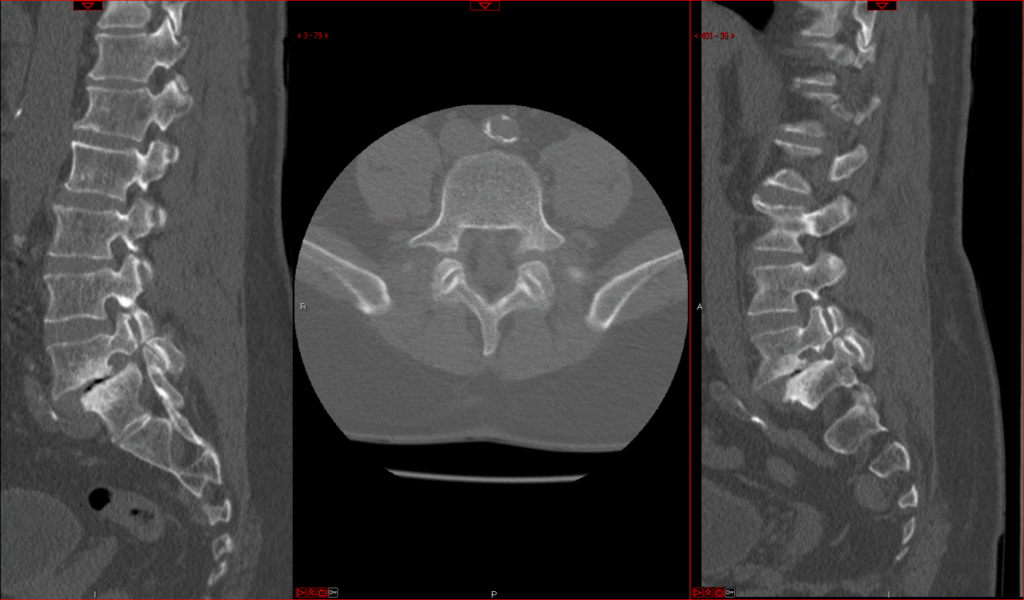
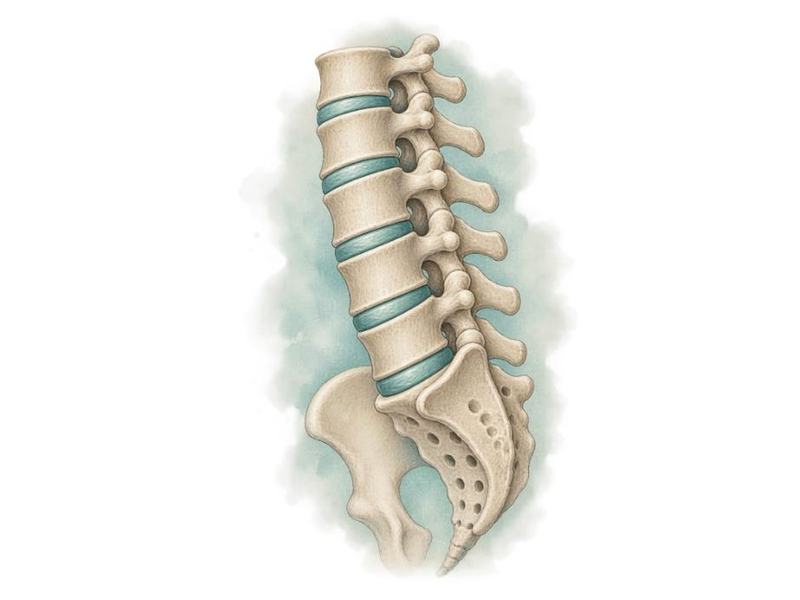
Lumbar spine anatomy related to TLIF — transforaminal lumbar interbody fusion

TLIF is the posterior workhorse: one position, one incision, decompression plus interbody support. Expandable and static cages are both used; Dr. Li has studied expandable versus static TLIF cages and whether posterior column osteotomy should accompany the cage to restore lordosis.

Minimally invasive TLIF through tubular or robotic corridors is used when it achieves the same decompression and alignment as an open approach. Robotic assistance is a tool for screw accuracy, not a marketing substitute for a sound plan.

What to expect

  • Posterior incision; hospital stay of one to three nights is typical.
  • A brace may be used. Walking starts the day of surgery or the next morning.

Recovery

  • Fusion is a six-month conversation even if pain improves in two weeks.
  • Physical therapy is phased: walk, then stabilize, then load.
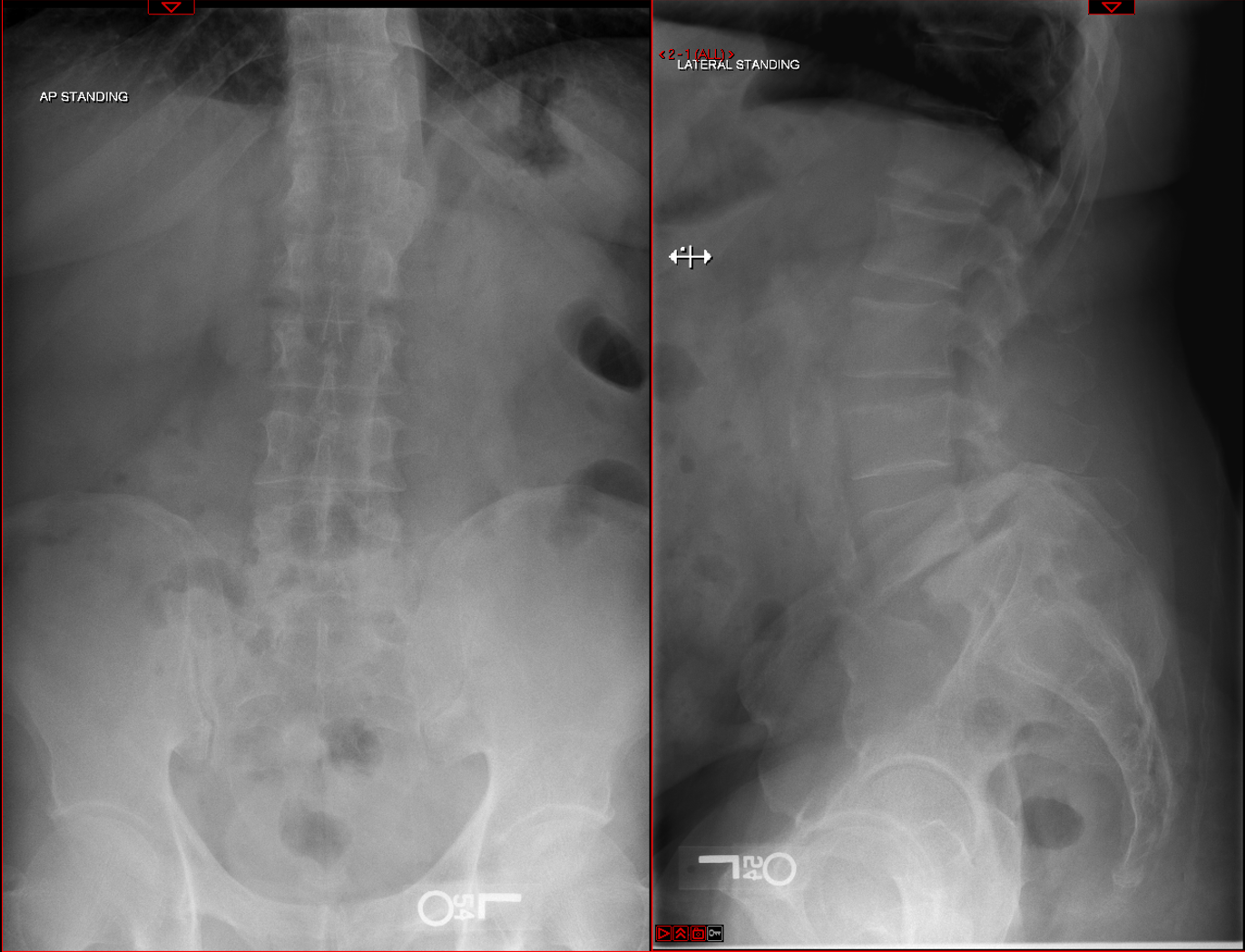
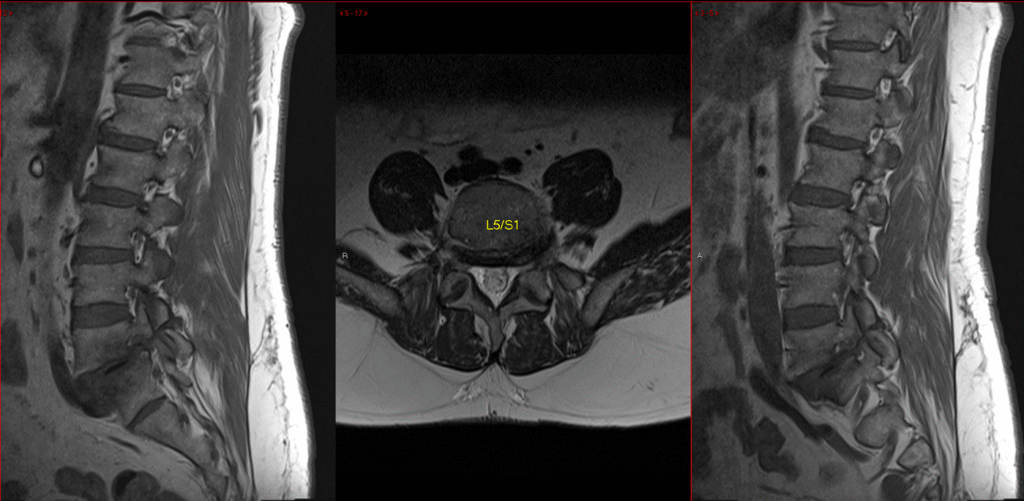
From the surgery library

Educational X-Ray Images

Teaching films of tlif. They are not a diagnosis.

View all 4 educational x-ray images

This page is educational. It is not a recommendation for surgery. Whether a procedure is appropriate is decided after examination, imaging, and a conversation about goals and risk.

FAQ

Questions about tlif

What is tlif — transforaminal lumbar interbody fusion?

From the back, the foramen is opened, the disc is cleared from one side, a cage is placed, and screws lock the segment while it fuses.

Who is tlif for?

TLIF — transforaminal lumbar interbody fusion is often considered for: Spondylolisthesis with stenosis; Unilateral compression that also needs fusion; Revision of a prior decompression that has become unstable.

Does tlif — transforaminal lumbar interbody fusion preserve motion?

TLIF — transforaminal lumbar interbody fusion is a stabilizing operation. Dr. Li recommends it when motion preservation is not the honest solution — for example when the joints are too arthritic or alignment must be changed.

What is recovery like after tlif?

Fusion is a six-month conversation even if pain improves in two weeks. Physical therapy is phased: walk, then stabilize, then load.
Appointments

Ready to take the next step toward recovery?

New patients are welcome. Call the spine clinic or send a note — the team will help you find the right visit.