UVA Health · New patients

Lumbar spine

ULBD — unilateral laminotomy, bilateral decompression

Decompress both sides of a tight lumbar canal through one small window

Motion preservingMinimally invasive option
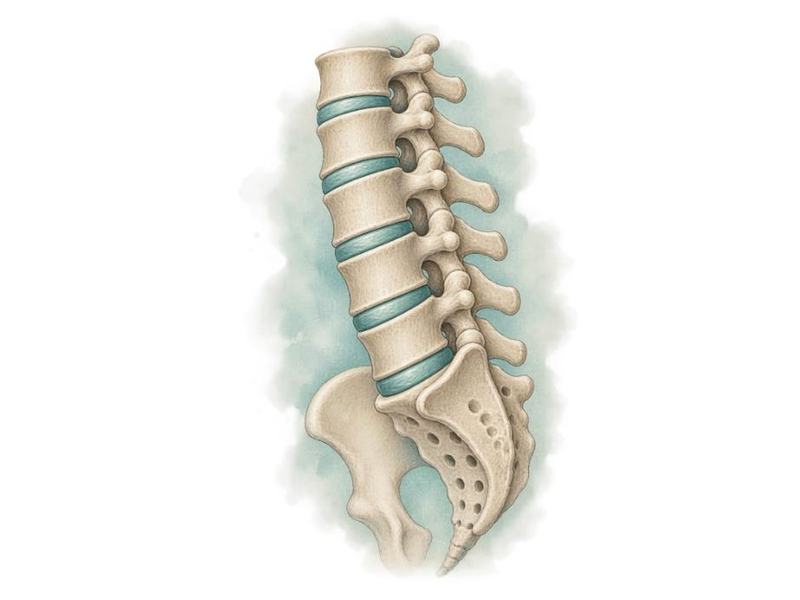
Lumbar spine anatomy related to ULBD — unilateral laminotomy, bilateral decompression

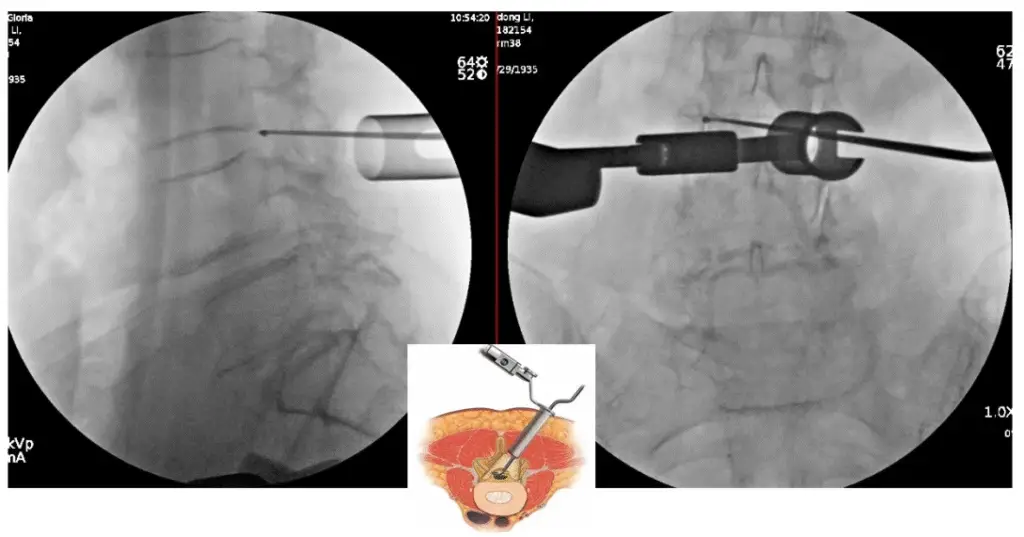
ULBD is how Dr. Li treats a tight lumbar canal when the bones are still stable. Instead of removing the entire back of the vertebra (a traditional laminectomy), a window on one side is used to decompress both sides “over the top.”

That matters. A fusion done “just in case” is a fusion a patient has to live with — and one that can complicate later surgery. A recent patient with L4-5 grade 1 spondylolisthesis, severe stenosis and Parkinson’s disease wrote that after ULBD he went from stopping every 100–200 feet to walking two miles, with bladder control restored, and without the fusion he had feared.

Dr. Li is also studying ULBD versus fusion in a formal clinical study, because the field still argues this question and the answer should come from data.

What to expect

  • One inch long posterior incision; often a short stay or outpatient.
  • Walking begins immediately. The “shopping-cart” stoop should start to fade as swelling settles.

Recovery

  • Walking distance typically expands over weeks.
  • Physical therapy emphasizes upright endurance rather than aggressive stretching of a decompressed nerve.
From the surgery library

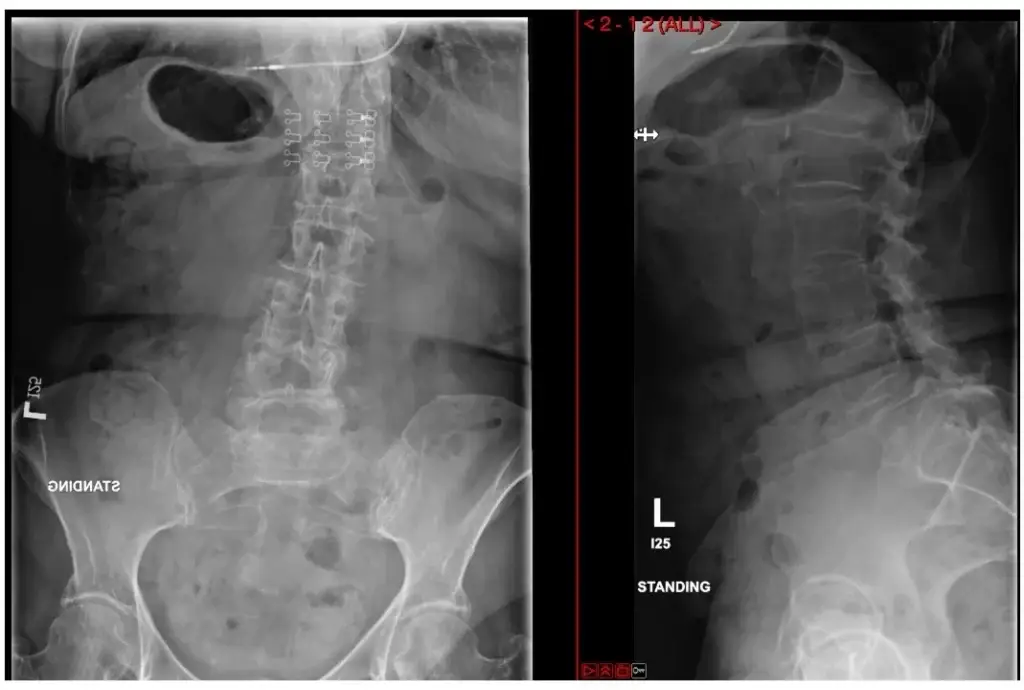
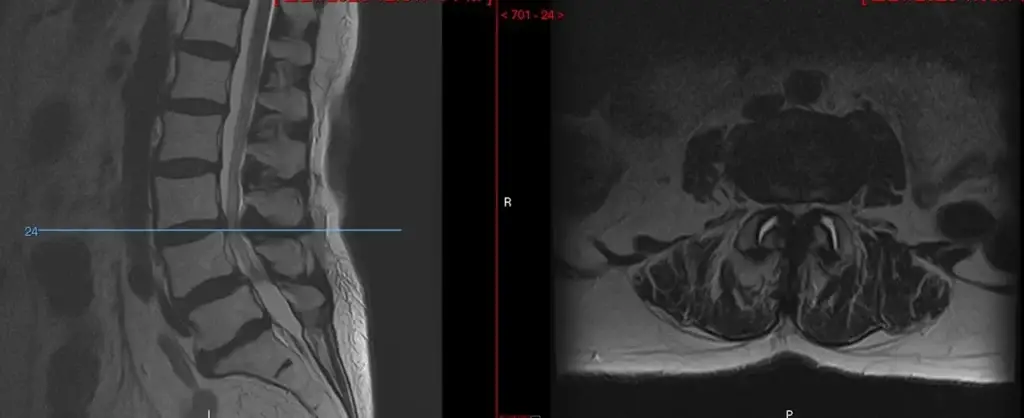
Educational X-Ray Images

Teaching films of ulbd. They are not a diagnosis.

View all 6 educational x-ray images

This page is educational. It is not a recommendation for surgery. Whether a procedure is appropriate is decided after examination, imaging, and a conversation about goals and risk.

FAQ

Questions about ulbd

How long off work after ULBD?

Desk work is often one to two weeks. Walking-heavy jobs take longer. Heavy lifting and repetitive bending wait until the small bony window has quieted. ULBD is a decompression, not a fusion, so there is no months-long wait for bone to knit — but the nerve still needs a calm interval.

When can I drive after ULBD?

Typically when you can sit comfortably, work the pedals, and are off narcotics — often within the first one to two weeks. Walking starts immediately after surgery; driving waits on reaction time and sitting tolerance, not on a fusion x-ray.

Will I need fusion later?

Not if the segment was stable and stays stable. Fusion later is considered if a slip progresses, if deformity is the real driver, or if stenosis returns in a way decompression alone cannot treat. A fusion done “just in case” at the first operation is a fusion you have to live with; ULBD is chosen to avoid that when the bones can still carry you.

How soon does walking distance improve after ULBD?

Walking begins the day of surgery. The shopping-cart stoop usually fades as swelling settles. Distance typically expands over weeks. Therapy emphasizes upright endurance rather than aggressive stretching of a freshly decompressed nerve.

Is ULBD the same as a laminectomy?

No. A traditional laminectomy removes the back of the vertebra more widely. ULBD uses a window on one side to decompress both recesses “over the top,” preserving midline structures when the spine is stable.

Appointments

Ready to take the next step toward recovery?

New patients are welcome. Call the spine clinic or send a note — the team will help you find the right visit.