UVA Health · New patients

Lumbar spine

XLIF — extreme lateral lumbar interbody fusion

A true lateral, muscle-splitting path to the mid-lumbar disc

StabilizationMinimally invasive option
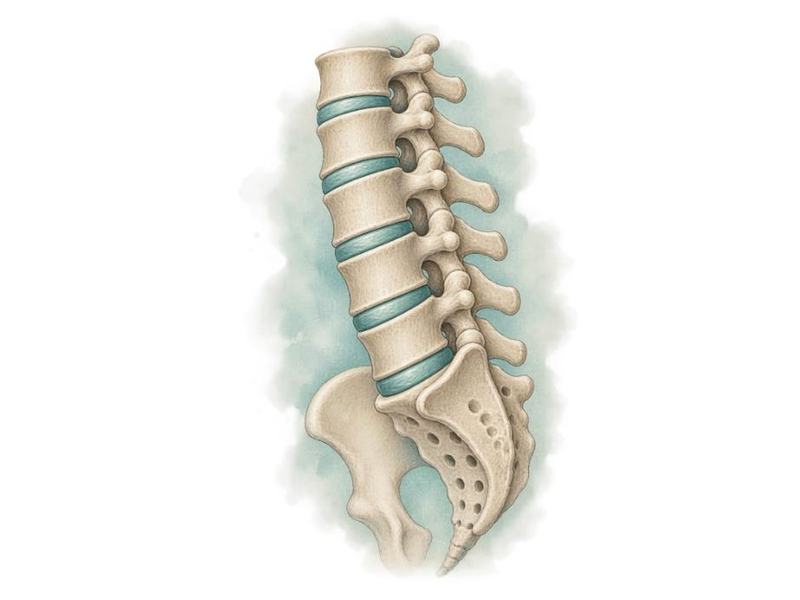
Lumbar spine anatomy related to XLIF — extreme lateral lumbar interbody fusion

XLIF can correct a curve and open foramina without stripping the back muscles. Neuromonitoring is used because the lumbar plexus lives in the psoas. Levels near L4–5 demand particular caution; L5–S1 is generally not a lateral level.

It is one tool among ALIF, OLIF, and TLIF — chosen when the anatomy and the correction required match the corridor, not because a device company prefers it.

What to expect

  • A small side incision. Temporary thigh numbness or hip-flexor weakness can occur.
  • Many patients go home in one to two days when XLIF is a standalone or short construct.

Recovery

  • Psoas-related symptoms usually improve over weeks.
  • Bracing is individualized. Walking is the default activity.
From the surgery library

Educational X-Ray Images

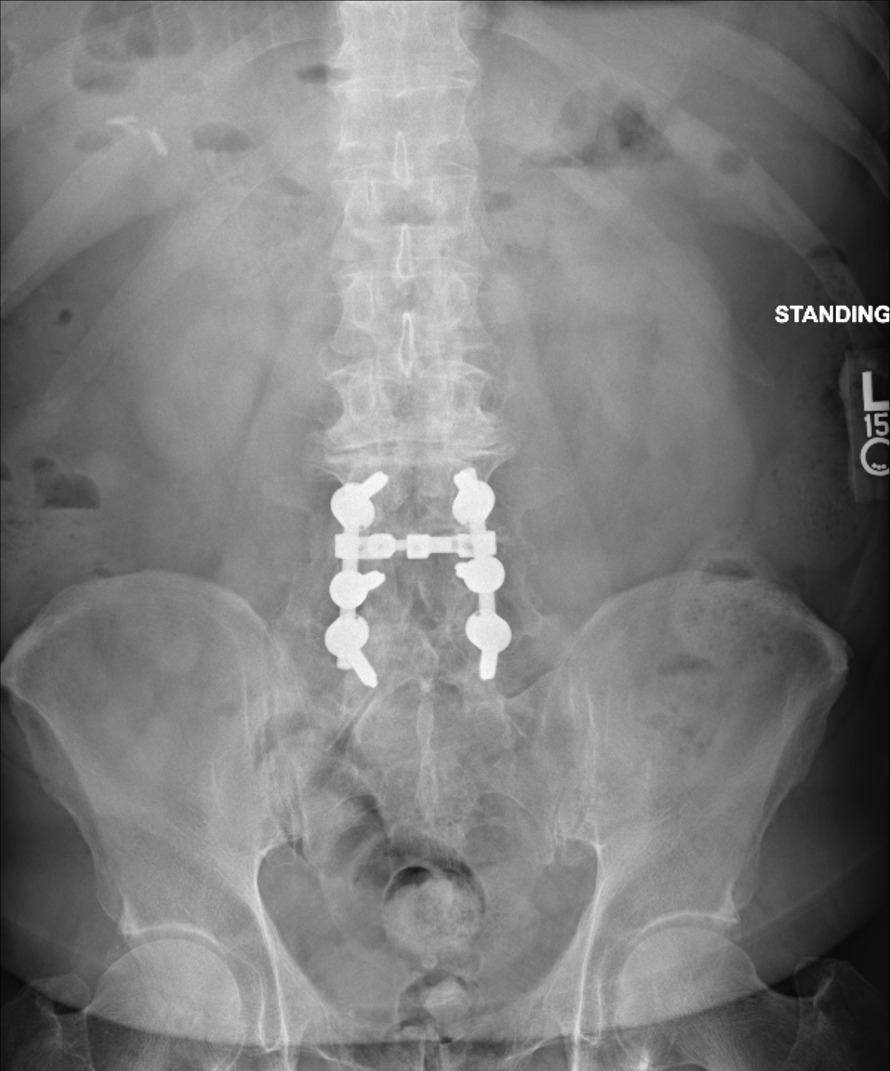
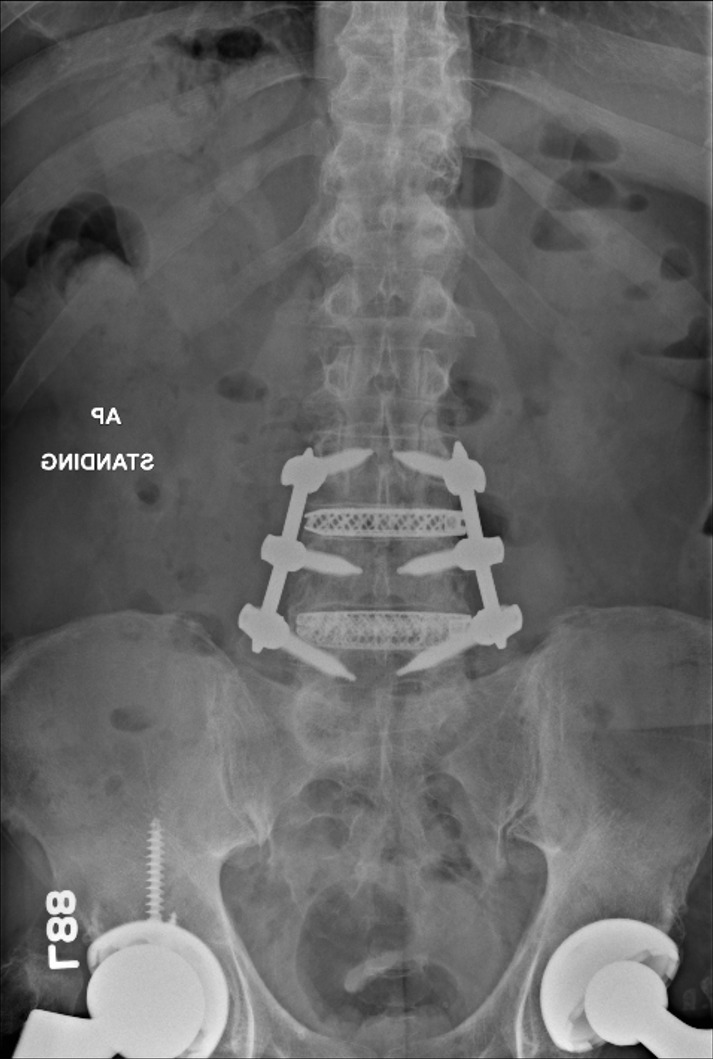
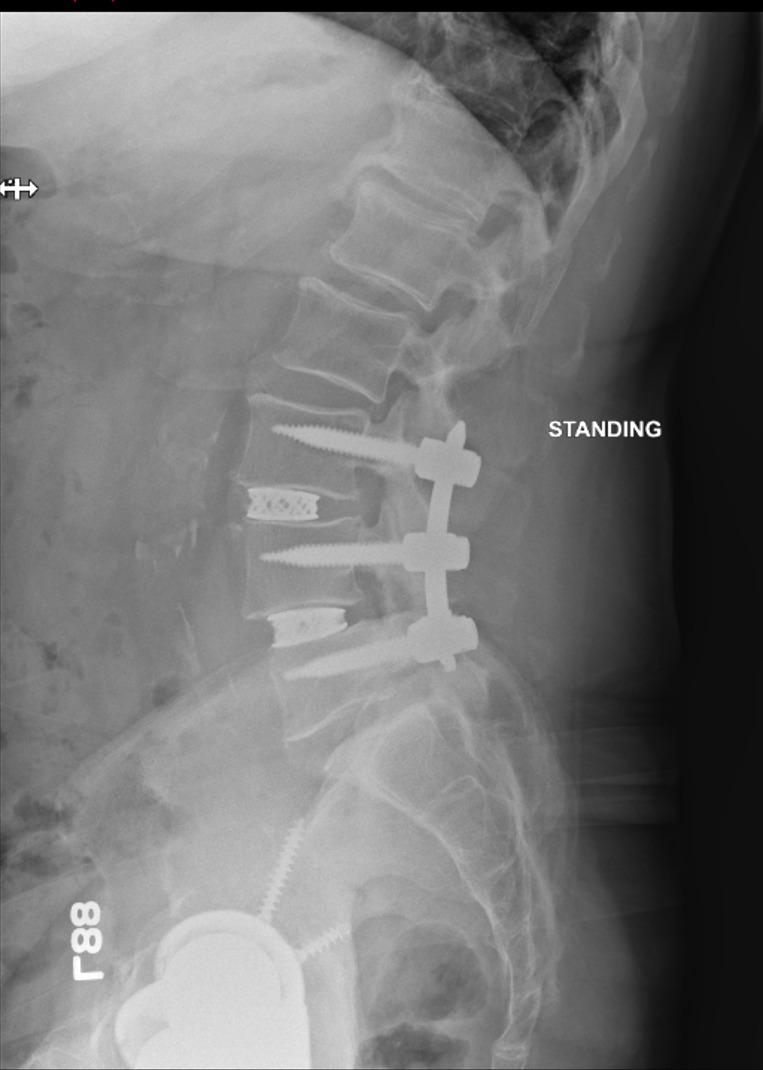
Teaching films of xlif. They are not a diagnosis.

View all 6 educational x-ray images

This page is educational. It is not a recommendation for surgery. Whether a procedure is appropriate is decided after examination, imaging, and a conversation about goals and risk.

FAQ

Questions about xlif

What is xlif — extreme lateral lumbar interbody fusion?

With the patient on their side, the disc is reached through the psoas under neuromonitoring, and a wide cage restores height from the far side of the spine.

Who is xlif for?

XLIF — extreme lateral lumbar interbody fusion is often considered for: Mid-lumbar degeneration and scoliosis fractions; Indirect decompression of stenosis by restoring disc height; Patients who are better served on their side than on their abdomen.

Does xlif — extreme lateral lumbar interbody fusion preserve motion?

XLIF — extreme lateral lumbar interbody fusion is a stabilizing operation. Dr. Li recommends it when motion preservation is not the honest solution — for example when the joints are too arthritic or alignment must be changed.

What is recovery like after xlif?

Psoas-related symptoms usually improve over weeks. Bracing is individualized. Walking is the default activity.
Appointments

Ready to take the next step toward recovery?

New patients are welcome. Call the spine clinic or send a note — the team will help you find the right visit.