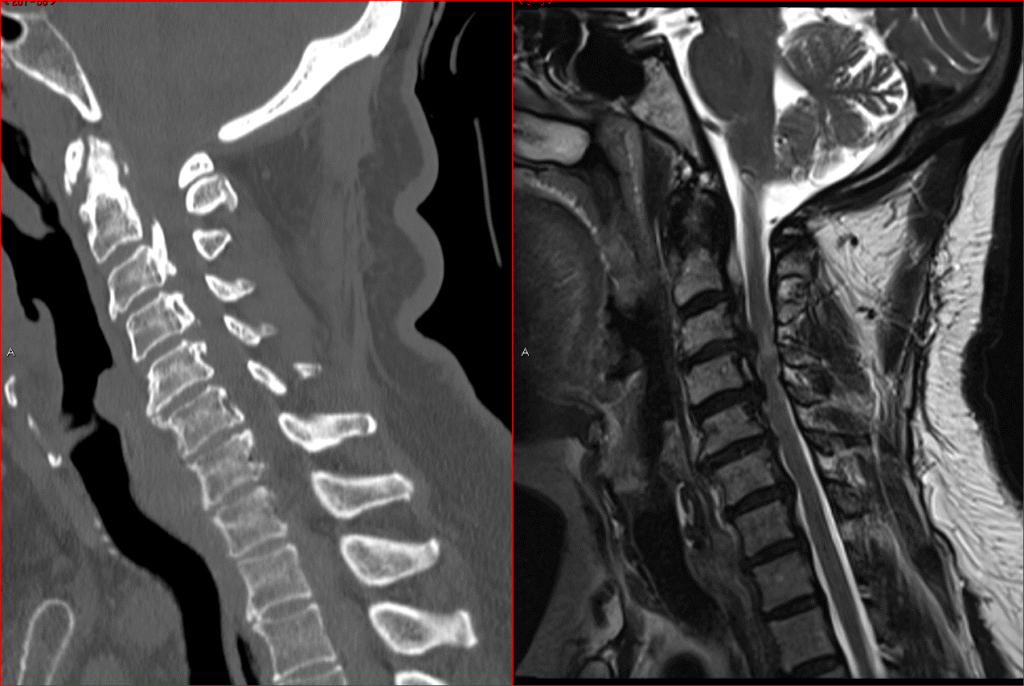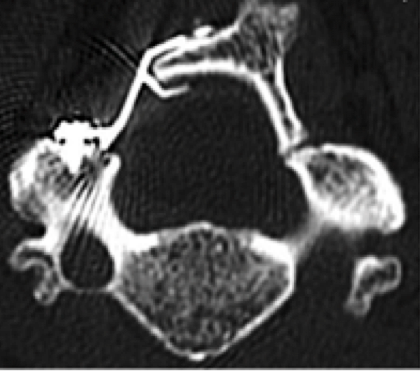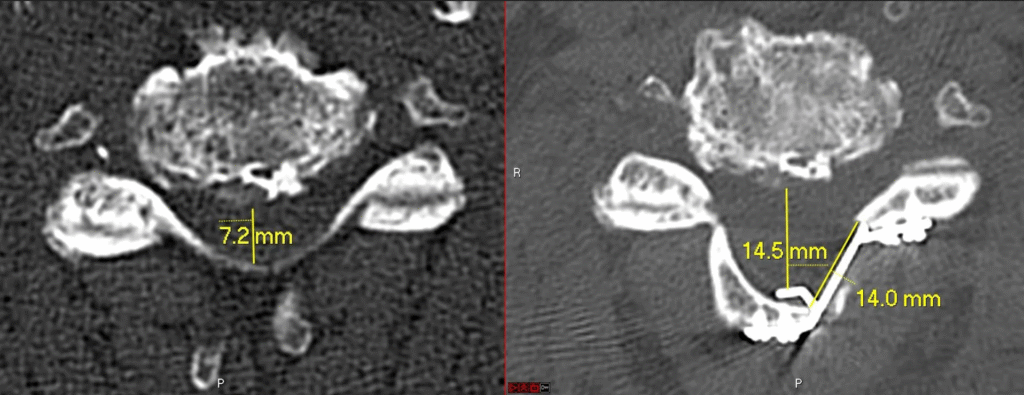
Laminoplasty is how Dr. Li decompresses a tight cervical canal across several levels without sacrificing rotation. The lamina is cut on one side, hinged on the other, and held open so the cord can float posteriorly — a “door” that stays open.
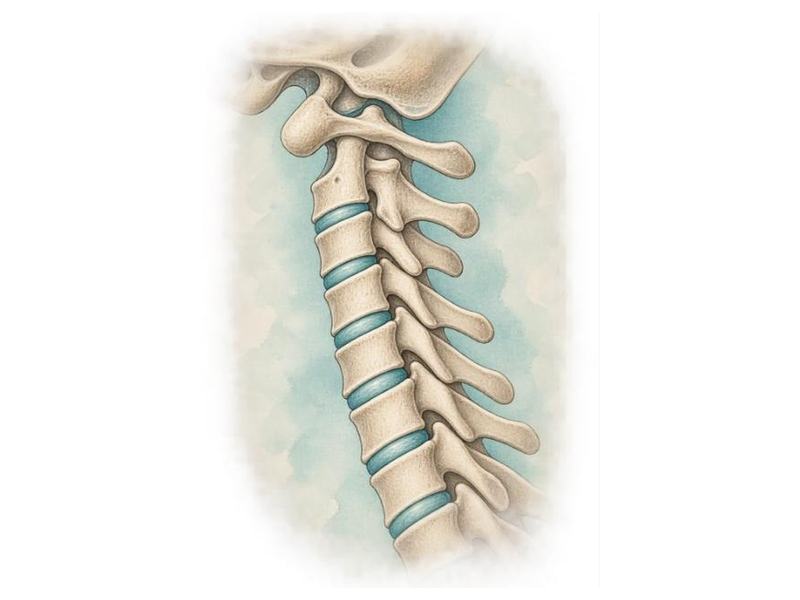
Patients who still have a lordotic (backward-curving) neck and cord compression from behind, or from a combination of front and back, are often better served by this than by a long anterior fusion.
It is one of the procedures he highlights as a signature motion-sparing technique, alongside cervical disc replacement.
What to expect
- A posterior (back-of-neck) incision; a short hospital stay is typical.
- The neck will feel stiff at first. Motion is encouraged as pain allows, rather than locked in a rigid collar for months.
Recovery
- Hand function and gait often improve gradually over weeks to months as the cord recovers.
- Therapy focuses on posture, balance, and fine-motor tasks — the functions myelopathy had been stealing.